
How to Match Belt with Outfit in UAE - Mylaveri
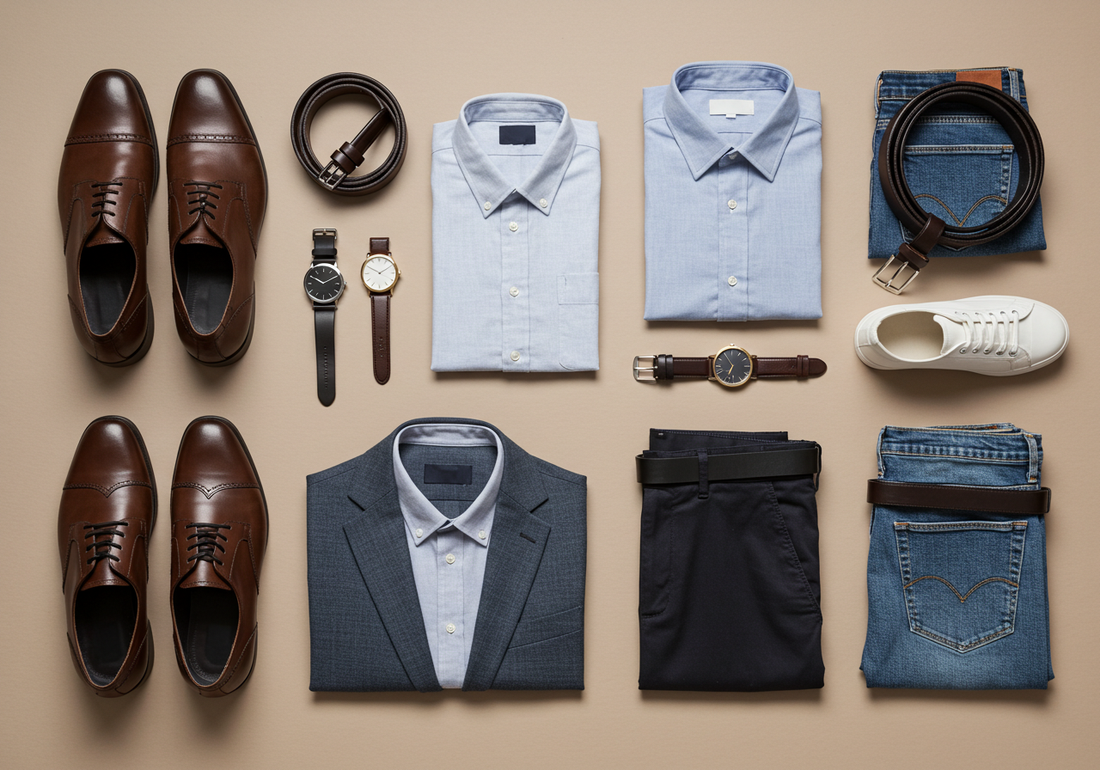
Matching a belt with your outfit might seem like a small detail, but it can make or break your entire look. It's one of those finishing touches that screams, “This person knows how to dress.” Whether you’re heading to a business meeting, date night, or casual hangout, a well-coordinated belt can elevate your outfit effortlessly. And no, it’s not just about tossing on any old strap to keep your pants up—there’s a subtle art to choosing the right one. Think of it as the bridge that ties your ensemble together, blending practicality with personal style.
It’s surprising how often belts are overlooked. Too many people throw on a belt out of necessity rather than with intention. But here’s the thing: your belt can—and should—complement your shoes, outfit, and even your accessories. It tells people you pay attention to detail, and in fashion, details matter. If you’ve ever looked at someone and thought, “Wow, they’re put together,” chances are, their belt was quietly doing its job.
In this complete guide, we’ll walk you through everything you need to know about how to match your belt with your outfit—from color coordination and materials to formal vs. casual rules and even accessories like watches. Whether you’re building a wardrobe from scratch or just looking to upgrade your everyday style, this article is your go-to blueprint.
And when you're ready to shop high-quality belts that suit every occasion, make sure to check out the full collection here.
Understanding the Importance of Matching Belts
Why Belts Matter in Your Outfit

A belt does more than hold up your pants—it’s a defining accessory that adds balance and structure to your outfit. Just like a good pair of shoes or a statement watch, a well-chosen belt shows you’ve got your style game on point. Think of it as the visual line that divides the top and bottom halves of your outfit, helping guide the eye and create symmetry.
When your belt complements your look, it draws attention in all the right ways. A mismatched belt, on the other hand, sticks out like a sore thumb. Wearing a chunky leather belt with a formal suit or a shiny dress belt with jeans? That’s a hard fashion no. Even if everything else about your outfit is on point, a poor belt choice can throw the entire look off balance.
Belts also play a psychological role in how you're perceived. A belt that aligns with your overall style shows confidence and an understanding of fashion fundamentals. It's not about showing off; it's about finishing your outfit with class and clarity.
The Role of Belts in Fashion and Function
While belts have a utilitarian origin, modern fashion has turned them into one of the most versatile style tools available. Today, belts can define your waist, introduce texture to an outfit, and even act as a subtle statement piece.
For example, a slim black leather belt with a silver buckle adds sleek sophistication to a tuxedo, while a braided leather belt lends a rugged, outdoorsy vibe to a pair of chinos and a polo shirt. The variety of belts available—leather, suede, canvas, braided, elastic—makes it possible to adapt this one item to nearly every outfit and occasion.
Beyond style, belts also serve as transition pieces. They can tie together contrasting elements of an outfit. Imagine wearing a gray blazer, a white shirt, and navy trousers. A black or brown belt becomes the grounding piece that pulls everything into one harmonious look.
So, while a belt may be small in size, its impact on your outfit is anything but.
The Basic Rules of Belt Matching
Matching Belt Color with Shoes
Let’s get straight to the cardinal rule: your belt should match your shoes. This doesn’t mean they need to be identical twins in texture and hue, but they should at least be close cousins.
-
Black shoes? Wear a black belt.
-
Brown shoes? Go with a brown belt in a similar tone.
-
Tan loafers? A light brown or camel belt works great.
Why does this matter? Because matching your belt and shoes creates visual continuity, especially in formal and semi-formal settings. Mismatched colors can be jarring and make your outfit look slapped together.
This rule especially applies in professional and elegant environments—think job interviews, weddings, or corporate meetings. In casual settings, there’s a bit more wiggle room. For instance, a navy belt with white sneakers can work fine for a laid-back weekend outfit. But when in doubt, stick to the classics.
Coordinating Belt with Outfit Type (Casual, Formal, Business)
Different occasions call for different belt styles. Here’s a quick breakdown:
-
Formal Wear: Go for a slim, polished leather belt with a sleek buckle. Black or deep brown are the go-tos. Avoid textures, contrast stitching, or bold buckles.
-
Business Attire: A medium-width leather belt in a conservative color (black, brown, burgundy) works best. It should align with your dress shoes and watch for consistency.
-
Casual Wear: This is where you can have fun. Think canvas belts, woven textures, thicker straps, and even bright colors. Just make sure it still matches at least one other part of your outfit—your shoes, watch strap, or bag, for instance.
Each belt type sends a different message. Wearing a casual belt with formal clothing looks sloppy. Conversely, a dress belt with jeans or chinos can look stiff or out of place. Know your setting, and let your belt reflect the tone you’re aiming for.
Choosing the Right Belt for Your Outfit
Formal Outfits and Dress Belts
When it comes to formal outfits, the belt should be understated but refined. You want it to blend seamlessly into your look without drawing too much attention. Think black leather, a sleek silver or gold buckle, and a polished finish.
Here are some key pointers:
-
Width: Dress belts are generally about 1.25 inches wide. Anything wider leans casual.
-
Material: Full-grain leather or genuine leather is ideal. Skip anything synthetic or textured.
-
Buckle: Simple metal buckles in silver or gold (depending on your other accessories) work best.
And here’s a pro tip—your belt should match your shoes not just in color but also in finish. If your shoes are shiny patent leather, your belt should have a glossy finish. If your shoes are matte, go for a more subdued leather belt.
Looking to buy premium dress belts that complement your suits and tuxedos? Browse the sleek, elegant options here.
Casual Outfits and Versatile Belt Styles
Casual outfits give you a lot more freedom to experiment with different belt styles, materials, colors, and buckles. While dress belts demand clean lines and polished finishes, casual belts open the door to creativity and self-expression.
Let’s start with the materials. For casual wear, you can go with:
-
Canvas or webbed belts – Great for summer outfits or streetwear.
-
Braided leather belts – Perfect with jeans or chinos.
-
Distressed leather belts – Ideal for a rugged, vintage vibe.
The width can also vary more with casual belts. Go for 1.5 inches or even wider if you’re wearing them with jeans or cargo pants. Wide belts work better with looser, bulkier clothing, while thinner belts are more appropriate with slim-fit styles.
Color coordination is still important, but it’s okay to have a little fun here. Try pairing a navy belt with white sneakers and denim, or a tan suede belt with desert boots. Even belts with patterns or colored stitching can work well if they match at least one other element in your outfit.
And let’s not forget casual buckles. A chunkier or more decorative buckle adds personality. Just don’t go overboard—unless you’re entering a rodeo, oversized western buckles might be a bit much.
If you're building a versatile casual wardrobe, consider investing in a couple of different casual belts in neutral colors. This gives you flexibility and style options for every season.
You can check out a wide range of casual belts suitable for every laid-back look in the full belt collection here.
Matching Belts with Business Casual Attire
Business casual can be a tricky style zone to navigate. It's neither fully formal nor totally laid-back, which means your belt has to strike a perfect balance.
In this setting, opt for leather belts that are a bit more relaxed than formal dress belts but still clean and professional. Medium-width belts (around 1.25 to 1.5 inches) in brown, burgundy, or even navy are perfect choices, depending on your outfit.
Here’s what to aim for:
-
Clean, simple buckles – Nothing too flashy or oversized.
-
Subtle textures – A matte finish or light grain works well.
-
Color harmony – Match with shoes, but also pay attention to your watch strap or briefcase if visible.
Business casual is also where suede belts shine. They offer a softer look and pair well with chinos, loafers, and button-down shirts. Just make sure your belt’s tone doesn’t clash with the rest of your ensemble.
Need business-ready belts that work across office settings? Check out these refined options here to complement your work wardrobe.
Belt Materials and How to Match Them
Leather Belts – Polished vs. Distressed
Leather belts are the cornerstone of most wardrobes—and for good reason. They’re durable, stylish, and available in countless styles. But not all leather belts are created equal. The finish of the leather plays a big role in how it pairs with your outfit.
Let’s break it down:
-
Polished Leather: Smooth, glossy finish; best for formal wear. Think job interviews, weddings, or upscale dinners. These belts should always be paired with dress shoes of a similar sheen.
-
Distressed Leather: Rugged, worn-in look; ideal for casual or smart casual outfits. They go great with boots, jeans, flannels, and casual button-ups.
Matching your belt’s finish with your shoes is key. If you’re rocking polished oxfords, a distressed belt will look out of place. Similarly, if you're in a relaxed denim and boots combo, a glossy belt will seem too stiff and formal.
Color still matters too. Black, dark brown, and tan cover most outfits, but unique shades like gray or oxblood can add flair when matched properly.
Also, don’t forget maintenance. Leather belts, especially the polished ones, need conditioning and care to last long. Cracks or dried-out leather ruins the entire vibe, no matter how stylish the rest of your outfit is.
Need a belt upgrade? Shop premium leather belts with every kind of finish here.
Fabric and Braided Belts – When to Use Them
Fabric and braided belts bring a relaxed, stylish energy to your outfits. They're particularly great for summer, travel, and weekend wear because of their flexible design and breathable materials.
Fabric belts are commonly made from canvas, cotton, or webbing and come in a variety of colors and patterns. They work best with:
-
Shorts and chinos
-
Polo shirts and tees
-
Casual loafers or sneakers
Braided belts, on the other hand, can be leather or fabric, and they add a touch of texture and personality to your outfit. Because of their stretch and adjustability, they’re super comfortable for long wear.
Here are some quick tips:
-
Use neutral-colored fabric belts (like beige, navy, or olive) for maximum versatility.
-
Match the tone of your braided belt with your shoes, even if the textures differ.
-
Avoid pairing fabric belts with formalwear—they’re just too relaxed.
You can easily find high-quality braided and fabric belts perfect for casual outfits here.
How to Match Belt Buckles and Accessories
Metal Tones – Silver, Gold, or Matte?
When it comes to belt buckles, the metal finish can seem like a small detail—but trust me, it matters more than you think. Matching your belt buckle to your other accessories is the subtle move that takes your outfit from "good" to "damn, that’s sharp."
So, how do you decide between silver, gold, or matte finishes? Here’s a quick breakdown:
-
Silver Buckles: These are the most versatile and work well in both formal and casual settings. They pair especially well with cool-toned clothing (blues, grays, blacks) and silver jewelry or watches.
-
Gold Buckles: A bit more bold and formal, gold buckles shine in settings where you’re wearing gold cufflinks, a gold watch, or warm-toned clothing (browns, tans, burgundies).
-
Matte or Brushed Buckles: Great for a low-key look. These work best in casual outfits and pair well with other subdued or minimalist accessories.
Matching metal tones doesn’t mean everything has to be identical, but consistency is key. If you’re wearing a silver watch, go with a silver buckle. Mixing gold and silver can look careless unless you’re intentionally going for a mixed-metal aesthetic—which is hard to pull off cleanly.
And for those who like statement buckles—keep them for casual settings. Intricate buckles, logos, or western-style buckles draw attention and can overpower a clean look if not balanced carefully.
Want a clean selection of belts with sleek, tasteful buckles? Don’t miss the curated options available here.
Matching with Watches, Jewelry, and Other Accents
Your belt doesn’t just live in a vacuum—it plays off other accessories you're wearing. Think of it as part of your accessory ensemble, right alongside your watch, bracelet, ring, tie clip, or even your glasses.
Here’s how to coordinate like a pro:
-
Watch Strap and Belt Leather: One of the easiest wins. If your watch strap is brown leather, your belt should also be brown leather in a similar shade and finish.
-
Metal Hardware: Buckle, watch case, cufflinks, or rings—all the metal pieces should ideally be the same tone. Silver with silver, gold with gold, matte with matte. It shows you’ve thought things through.
-
Bag or Briefcase: If you’re carrying a leather bag, make sure your belt isn’t clashing with it. A black leather bag with a brown belt looks mismatched, especially in a formal or business context.
-
Shoes: As mentioned before, matching the shoes is critical. If your shoes are the statement piece (like two-toned loafers or patterned boots), keep the belt simple and complementary.
-
Other Accessories: Eyewear frames, hat accents, or even socks—when your belt subtly complements these elements, it pulls your entire outfit into harmony.
Matching isn’t about being a perfectionist—it’s about building visual consistency. When all your accessories sing the same tune, people notice, even if they can’t quite pinpoint why your outfit looks so put together.
Need a one-stop-shop for quality belts that align perfectly with all your accessories? Explore the full lineup here.
Conclusion
A belt might seem like a small part of your outfit, but it’s one of the most essential. Whether you’re dressing for a high-stakes business meeting, a casual coffee date, or just want to look sharp at work, knowing how to match your belt with your outfit makes all the difference.
From understanding how to match colors and materials to coordinating with shoes, buckles, and accessories, mastering the art of belt styling is a sign that you pay attention to the finer things. It’s about showing up with intention and style—two things that always leave a lasting impression.
And if you’re ready to upgrade your belt game, don’t just settle for the same old strap. Explore stylish, high-quality belts that fit every occasion and outfit here.
FAQs
Q1: Can I wear a black belt with brown shoes?
A: It’s generally not recommended. For the cleanest look, always try to match your belt with your shoes in both color and tone. If you have to mix, choose similar tones (e.g., dark brown belt with lighter brown shoes).
Q2: What type of belt is best for jeans?
A: A wider belt (around 1.5 inches) in distressed or matte leather, canvas, or braided styles is perfect for jeans. Pair it with a casual buckle to complete the relaxed look.
Q3: How many belts should a guy own?
A: At minimum, you should have a black dress belt, a brown dress belt, and one or two casual belts in versatile shades like tan or navy.
Q4: Should belt and watch always match?
A: Ideally, yes. At least make sure the leather and metal tones are in harmony. It creates a refined, intentional look.
Q5: Are there belts that can be worn both casually and formally?
A: Yes, some belts have a clean, polished look that’s versatile enough to transition between business casual and weekend outfits. Look for mid-width leather belts with simple buckles.
